
Saturday · 12 – 3:30 p.m.
Tchaka brunch
Beans, ground corn and squash: the peasant dish that feeds a whole table. Meat or vegetarian.

Chokola Peyi
Bean-to-bar · Since 16 July 2016
The Montréal bistro
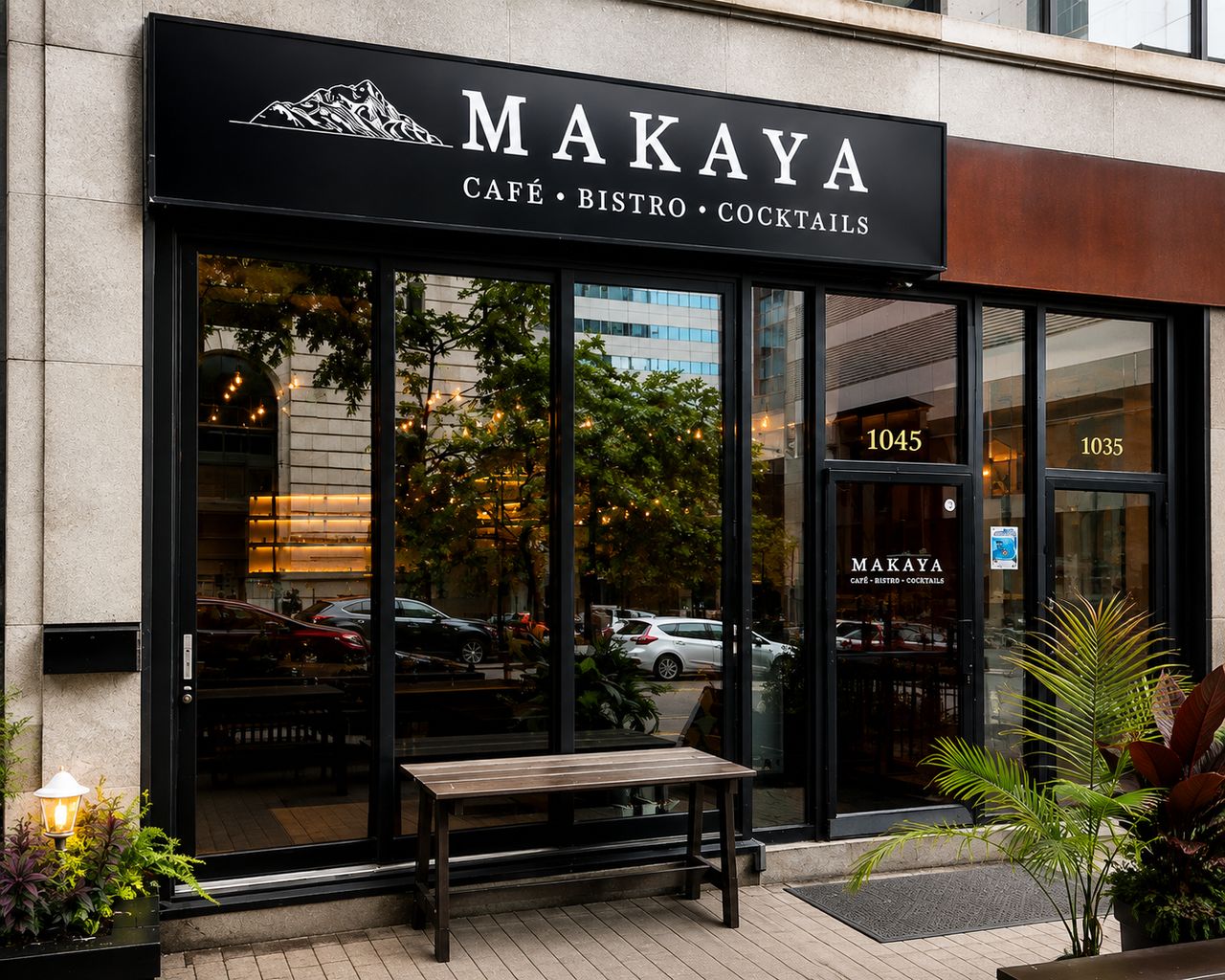
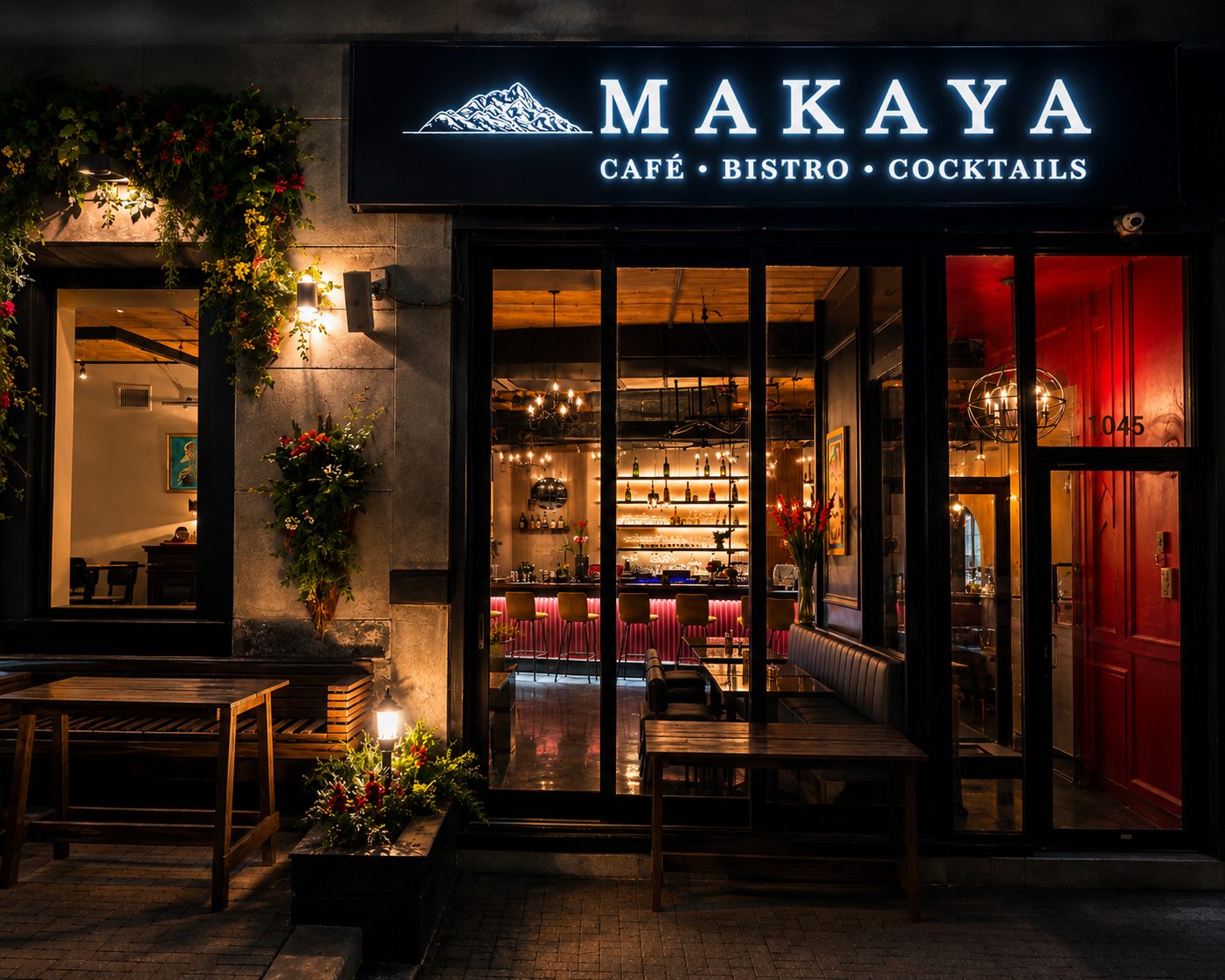
A new address, downtown, a few streets from Place-des-Arts. Same chocolate lounge, same Haitian table, more room, and a terrace.
Practical
01 · Manifesto
For two centuries the beans left the island raw, dried in the sun, sold by weight and finished elsewhere. Makaya was founded to break that chain: to ferment, roast, conch and temper on Haitian soil, and to sign the bar with the name of the country that grew it.
A house founded in a single night, on 16 July 2016, by a fashion designer who chose the land over the runway.
“The first week, I think I was insulted when the teacher said: chocolate is made for Europe. You, over there, grow your cocoa: we buy the cocoa and we do the work.”Ralph Leroy · AFP, December 2020
02 · Origin
Between Cap-Haïtien and the Dominican border, on plots of two to three hectares, eight cooperatives federated under the FECCANO grow criollo, trinitario and forastero, old Caribbean varieties that no modern hybrid ever came to replace.
Go down to the terroir03 · The workshop
Everything happens between the North and Port-au-Prince, not a single stage is subcontracted off the island. That is the whole point of the house.
01
The pods are opened by machete on the plot. The beans, wrapped in their white pulp, leave for the fermentation centre the same day.
02
Six days in tiered wooden boxes. This is the step Haiti did not master before 2007, and the reason its cocoa sold cheap. Purple, under-fermented beans fell from over 60 % to about 25 %.
03
On raised racks, turned by hand, until moisture drops below 7 %. Never a dryer: heat would flatten the aromatic precursors fermentation has just built.
04
At the Port-au-Prince laboratory. Bean by bean, then a low, long roast: the profile Ralph Leroy went to Italy to learn in 2018.
05
The husk is separated from the nib. The husk is not thrown away: it becomes the cocoa tea. The nib is ground into mass for 48 to 72 hours.
06
Sugar goes in, and nothing else in the dark bars. No lecithin, no vanilla, no added cocoa butter.
07
The crystallisation curve, by hand. It is what gives the snap and the shine. Then moulding, cooling, wrapping, all in Port-au-Prince.
04 · The table
Since September 2023, Makaya is also a chocolate lounge and a Haitian table. Griot waffle, joumou soup on Sundays, tchaka on Saturdays, hot chocolate spiced with clove, ginger and chilli, and a piano on Thursday evenings.
Saturday · 12 – 3:30 p.m.
Beans, ground corn and squash: the peasant dish that feeds a whole table. Meat or vegetarian.
Sunday · 12 – 3:30 p.m.
The soup of 1 January 1804, inscribed by UNESCO as intangible heritage. Squash, carrot, potato, pasta. Meat or vegetarian.
Thursday · 7:30 – 9:30 p.m.
Live piano bar. An evening where music and intimacy come together, in an elegant and jazzy atmosphere.
1045 Côte du Beaver Hall · Montréal
514 800-3105 · Booking strongly advised
05 · The house
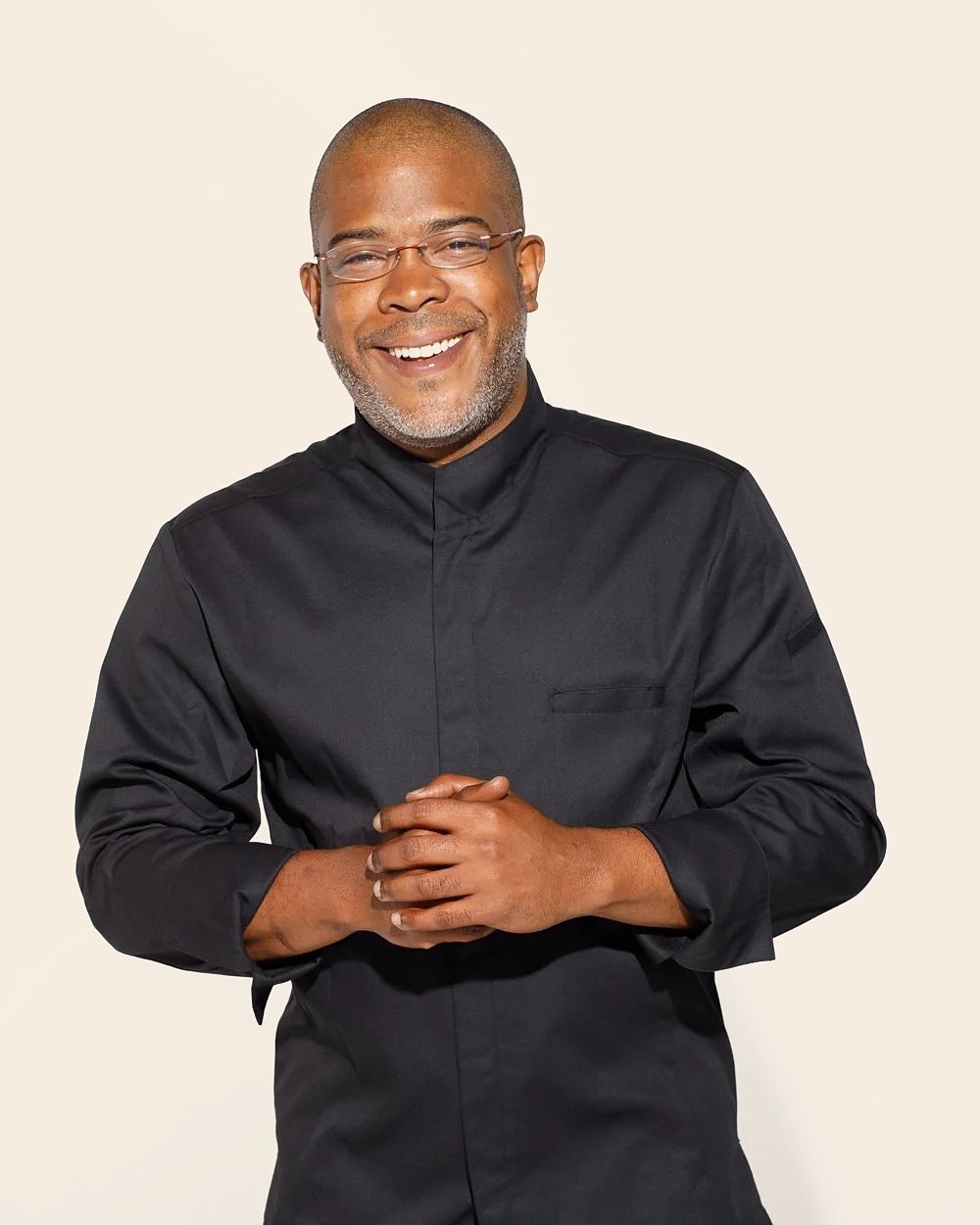
Ralph Leroy Prophète, born in Cap-Haïtien, showed his first menswear collection in Montréal in 2009. For four years he built chocolate accessories for the Salon du Chocolat runway shows. In 2015 he met the growers of the FECCANO. That meeting ended the fashion career.
“The growers brought me back down to earth. I understood I had to make a choice.”Ralph Leroy
They wrote about us
AFP
France 24
The Haitian Times
Caribbean Export
Juno7
The Main